 SJHYPS
About SJHYPS
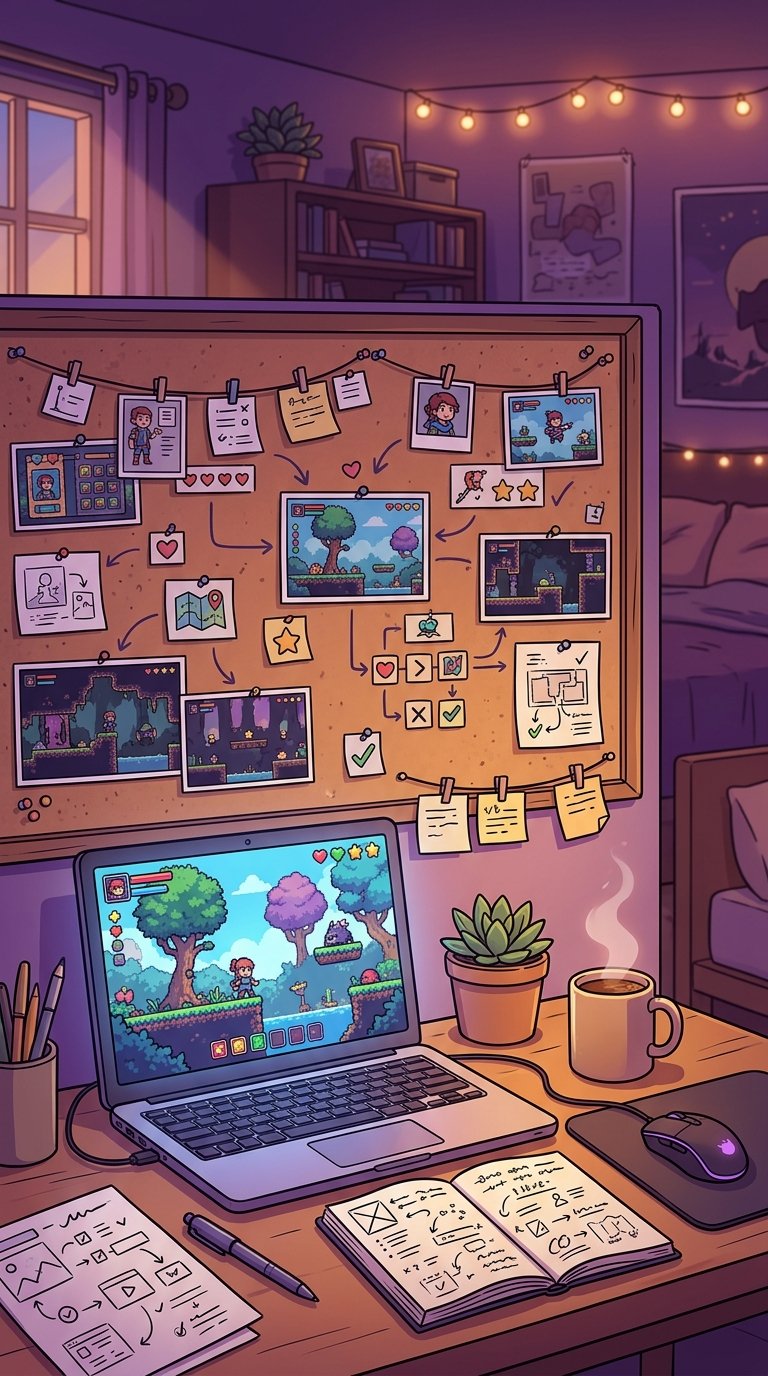
Where the work happens — documenting games, writing reviews, maintaining the site.
How This Started
I started SJHYPS in late 2022 after noticing a gap. I was working at Digital Wave in Mumbai, and outside of work hours I spent a lot of time playing games. Not the usual mobile battle royale titles that dominate Indian app stores — I was looking for something with more personality. What I found instead was a scattered landscape of small developers making genuinely interesting things, with almost no one writing about them.
The first game I covered was a short narrative piece by a solo developer in Chennai. It was about 40 minutes long, built in Unity, and dealt with the experience of moving to a new city for college. It had rough voice acting and some janky transitions, but the writing was specific enough that it felt real. That was the kind of game I wanted to point people toward.
So I built a simple site, wrote about it, and kept going. Three years later, SJHYPS has covered over 40 titles from developers in cities ranging from Pune to Kolkata to smaller towns like Manipal and Trivandrum.
What This Site Is and Isn't
SJHYPS is a personal editorial project. I find indie games made by Indian developers, play them thoroughly, and write about what I observe. The site exists to give visibility to small studios and solo creators who are building original work.
What it is not: a game distribution platform, a marketplace, or a review aggregator. I don't host game files, sell anything, or assign numerical scores. I also don't cover real-money gaming, gambling, betting, or anything that involves wagering money on outcomes. That line is non-negotiable.
Editorial Methodology
Every game I cover goes through a structured evaluation process. This isn't arbitrary — it's the result of refining my approach over three years and dozens of writeups. Here's how it actually works.
Phase 1 — Discovery and intake. Games reach me through developer submissions, game jam showcases, itch.io browsing, and occasionally through Discord communities I participate in. When I receive a submission, I check three things first: Is there a playable build? Is the team under roughly 15 people? Does the game appear to have original creative intent rather than being a clone or reskin? If the answer to all three is yes, it goes into my play queue.
Phase 2 — Play and documentation. I play each game for a minimum of three hours or until completion, whichever comes first. During play, I keep a running document with timestamps. I note when something surprises me, when something frustrates me, and when I catch myself thinking about design decisions rather than experiencing the game. I also take screenshots at specific intervals — usually every 15 to 20 minutes — to create a visual record of the experience. This matters more than people think; it helps me remember the pacing and visual rhythm of a game when I'm writing about it weeks later.
Phase 3 — Writing. I write my pieces in two passes. First, a rough outline where I identify the three or four things I most want to discuss about the game. Then a full draft where I try to be as concrete as possible. "The art is nice" is useless. "The parallax scrolling in the forest levels creates a genuine sense of depth that compensates for the limited sprite detail" — that's something a reader can evaluate and a developer can learn from. I avoid scores, star ratings, and verdicts. Each piece ends with a clear statement of who the game might appeal to and who should probably skip it.
Phase 4 — Publication and updates. After publishing, I send the piece to the developer for factual corrections only — they can flag inaccuracies about their game's features, tech stack, or team size. They cannot edit my opinions or critical observations. If a developer later releases a significant update that addresses issues I raised, I add an update note at the top of the article with the date and what changed.
Who's Behind This
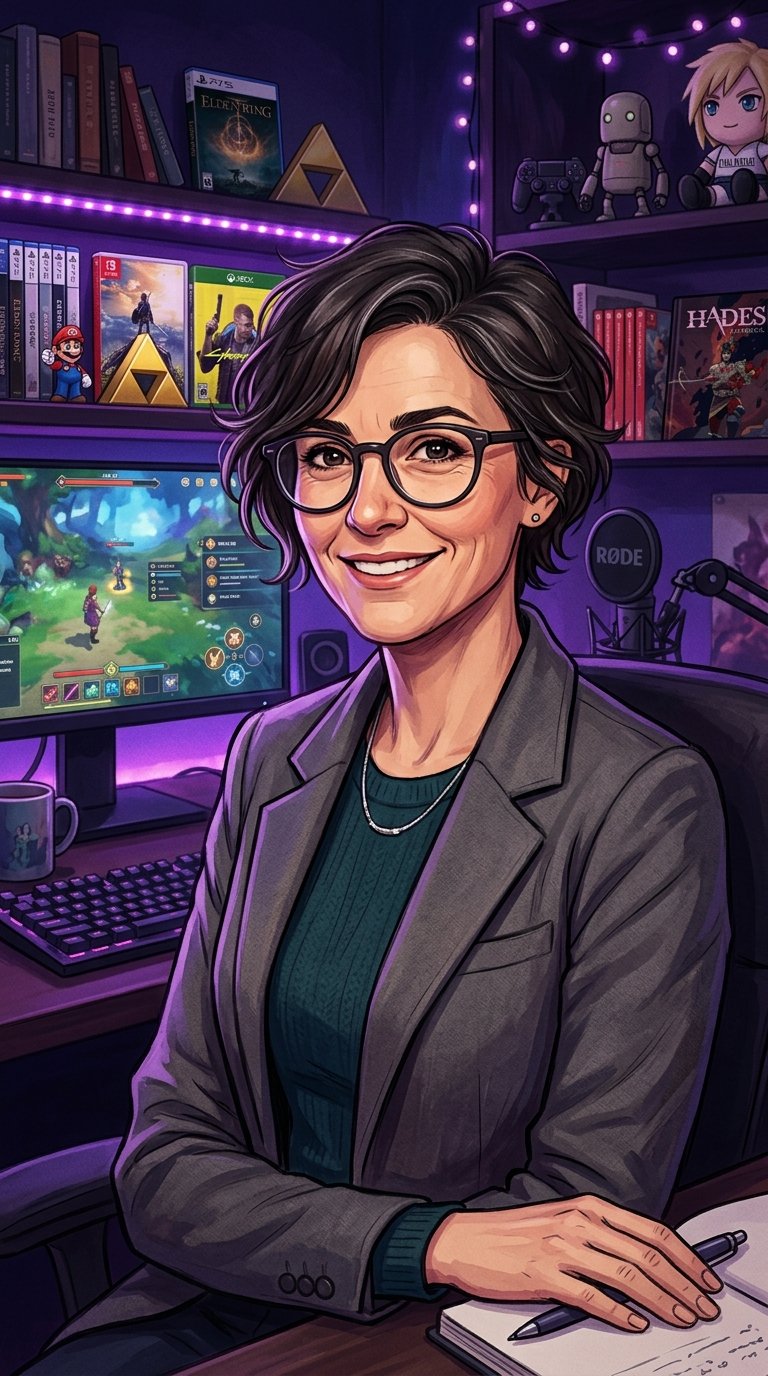
Patricia Ramirez
Role: Editor & Founder
Based in: Mumbai, Maharashtra, India
Company: Digital Wave (day job; SJHYPS is a separate personal project)
Contact: patricia.ramirez194@hotmail.com
I've been playing games since the late 1990s and writing about them since 2022. My day job at Digital Wave involves digital content work, which is related but separate from this project. SJHYPS is entirely my own initiative — no employer involvement, no sponsorships, no affiliate revenue.
Operating Details
This site is operated by Patricia Ramirez as a personal, non-commercial editorial project. It is not registered as a business entity.
- Operator: Patricia Ramirez
- Address: 2084, Patel Road, Mumbai, Maharashtra 619151, India
- Phone: +91 936 804 6563
- Email: patricia.ramirez194@hotmail.com
- Domain: shjhyps.com
Update History
This site is updated periodically. Major updates include:
- June 2026: Full site redesign, added three new feature articles, updated game coverage methodology.
- January 2026: Added new articles on game jams and art direction in indie development.
- August 2025: Revised editorial process documentation, expanded FAQ section.
- December 2022: Initial site launch with first game coverage articles.
If you have questions about our methodology or want to report an inaccuracy, please use the contact page.